
Rig Development Notes

Prototype stability sits at the core of our current development cycle. Every component of a distance-focused rig—from the clip tension to the hook-length stiffness—affects how well it flies, lands, and fishes. This testing cycle is dedicated to understanding behaviour under different loads and water conditions.
We began by trialling variations of hook-length materials to assess how quickly they reset after impact. Softer materials provide flexibility but risk tangling. Stiffer materials prevent twisting but may reduce bait movement. By running simultaneous tests under identical conditions, we compare how each performs in water movement, current pressure, and tidal shifts.
Our testers also examine how aerodynamic tweaks influence casting performance. A few millimetres of height difference in the cascade setup can change the entire alignment of the rig. We experiment with drop lengths, clip angles, and bait streamline techniques to find the optimal balance between distance and stability.
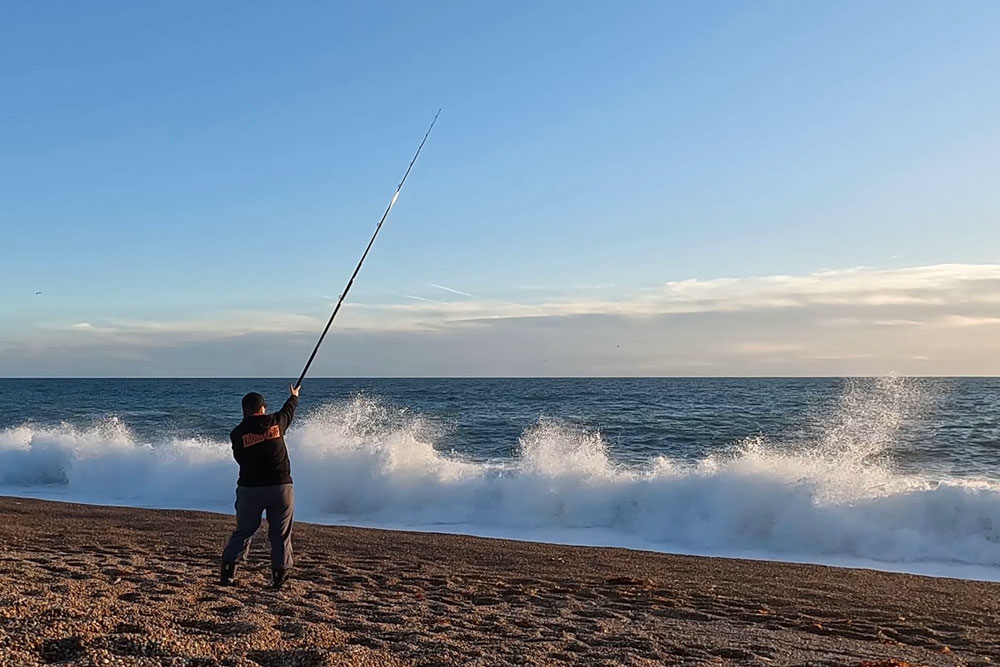
During field tests, we use controlled casting sequences—light pressure, full power, and mid-range—to determine how rigs behave under different loads. Each cast is documented, noting release behaviour and flight consistency. When a prototype loses alignment or begins spiralling mid-air, we adjust tension points, crimps, or hook spacing.
Water retrieval tests add another layer. Some rigs recover smoothly, keeping bait intact, while others experience drag or abrasion on seabed textures. These insights guide material upgrades and structural improvements for the next iteration.
What stands out is how small changes deliver measurable performance improvements. We’re approaching the final refinement phase, ensuring the rig’s behaviour is consistent across multiple water types before moving forward.