
Field Insights

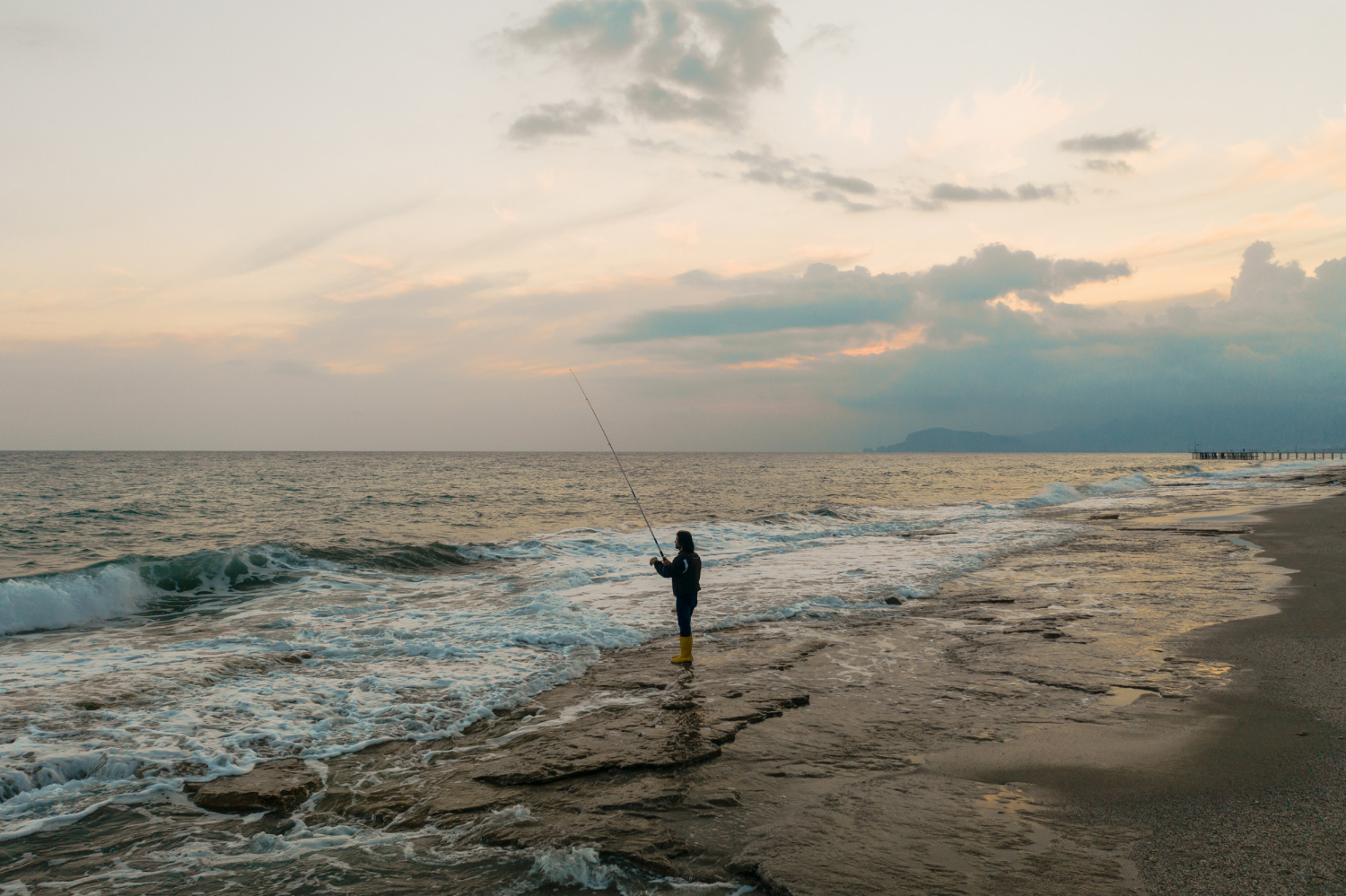
Long-session endurance testing is where prototypes truly prove themselves. While controlled tests are valuable, nothing replaces hours of real fishing—changing tides, shifting winds, abrasive seabeds, and unpredictable conditions. This phase focuses on understanding how rigs behave not just once, but repeatedly over an entire session.
We begin before sunrise, mapping expected tide movements and identifying the depth zones we plan to target. A long session exposes components to cycles of tension, slack, retrieve pressure, and impact load. Each cast adds microscopic wear, allowing us to understand how different materials hold up after repeated stress.
During retrievals, abrasion becomes the primary concern. Pebbles and sand grind against snoods and knots. We document where wear begins first—usually near the lead link or hook knot. These observations help refine future material choices and knot-protection methods.
Another critical area is hook presentation after multiple casts. Some rigs maintain excellent alignment even after hours of use, while others begin to show minor misalignment. Even small inconsistencies can reduce hook-up efficiency, so we adjust crimps, snood diameter, and clip tension accordingly.
Real-water tests also reveal how components handle sudden changes—surging waves, heavier-than-expected loads, or a sudden take from a fish. The goal is to ensure every rig behaves predictably under pressure.
By the end of each long session, we dismantle the rig and document wear points in detail. This data feeds directly into the next design stage, ensuring long-term reliability before final production.