
Shore Test Report

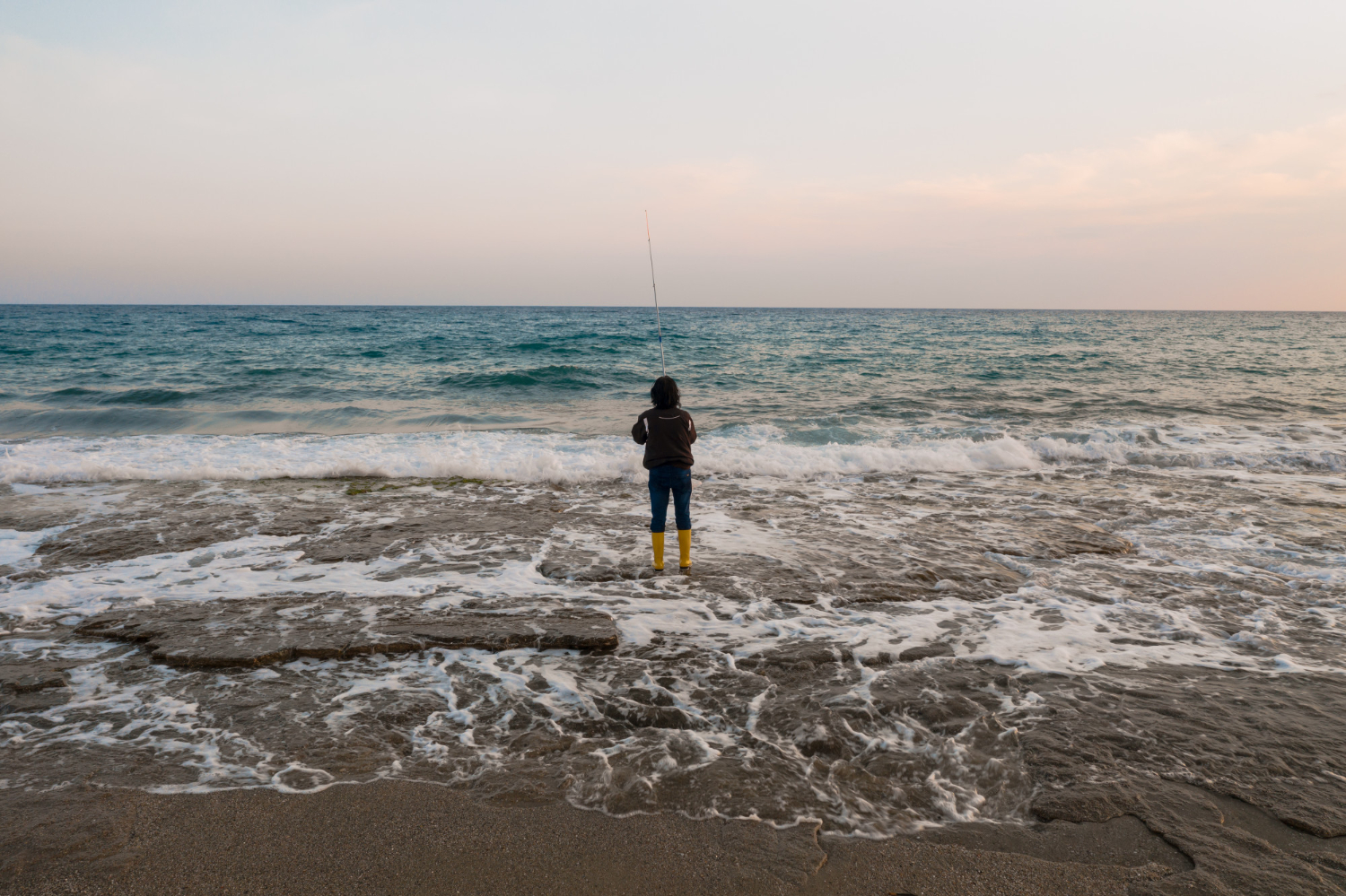
Field testing along Chesil Beach continues to reveal how our rigs behave when pushed into real fishing environments. This shoreline is one of the most demanding in the UK, making it a perfect proving ground for impact forces, casting load distribution, and long-session durability.
We begin each session by analysing surface conditions—wind direction, wave height, and pressure shifts. These factors directly influence how a rig performs when cast at distance, especially when using clip-down systems or aerodynamic bait presentations. Our early observations show that fine adjustments in tension and snood stiffness create noticeable differences in flight stability, particularly during high-wind cross-shore conditions.
Throughout multiple casts, we focus on three main performance markers: release timing, hook-length alignment, and post-impact recovery. A rig that maintains alignment upon hitting the water consistently fishes better, especially when using heavier leads. We record how each prototype behaves after repeated long-range casts to evaluate fatigue and micro-wear on swivels, crimps, and hook snoods.
During longer sessions—usually four to six hours—we also track abrasion caused by pebbles and shifting tide pull. Chesil is notorious for grinding tackle, so endurance results here are among the most authentic indicators of real-world survivability.
Early findings are promising. While some components require refining, especially around clip tension and bait streamline consistency, the rigs continue to demonstrate solid aerodynamic efficiency and controlled impact behaviour. With more sessions scheduled, we’ll continue refining until every cast, retrieve, and hook-set meets our standards.